
The Capacity Crisis Is Structural. Not Temporary.
You have the demand. You have the capital. But you don't have the skilled hands.
Demographics
Aging populations mean fewer people are available to perform physical, skilled industrial work.
Migration Policy
Importing labor is slower, more regulated, and less reliable than at any point in recent history.
Skills Shortages
We are losing more experts in machining, welding, and aerospace than we gain each year.
Import Dependency
Critical production depends on fragile supply chains that break under political or conflict pressure.
The gap between what we need to produce and who can produce it is widening every quarter.
Automation Alone Isn't Enough
Traditional automation is too rigid to solve this problem. What industry needs is not faster scripts but systems that adapt.
Our belief: A society's capacity to build its future should not be limited by its birth rate.
Moving Beyond Automation.
Toward Autonomous Intelligence.
Stop building rigid scripts. Start building a digital workforce.
Automation (The Old Way)
The Limit
Logic is written in advance and works well in stable conditions but becomes fragile everywhere else.
The Result
Any deviation breaks the flow. Human intervention becomes the bottleneck again.
The Reality
A Frankenstein factory made up of isolated machines, disconnected data, and constant manual firefighting.
Advanced Autonomics (Our Way)
The Power
Systems continuously sense reality, not assumptions.
The Mechanism
An AI stack that behaves like a biological nervous system and coordinates robots, AMRs, and machines as one system.
The Result
Resilience. A factory that adapts, recovers, and improves without human micromanagement.
We don’t deliver robots.
We deliver Autonomous Production Partners.
Each system behaves like a digital teammate that understands context, coordinates action, and optimizes production flow in real time. This is not automation that follows instructions. This is autonomy that understands intent.
The 8th-Generation Autonomy Ecosystem
Most automation stories start with “We can supply a robot.” Ours starts with “What capacity are you trying to protect?”
Factory Software & AI
The central intelligence that plans, schedules, simulates, and optimizes the entire factory while replacing disconnected automation with coordinated autonomy.
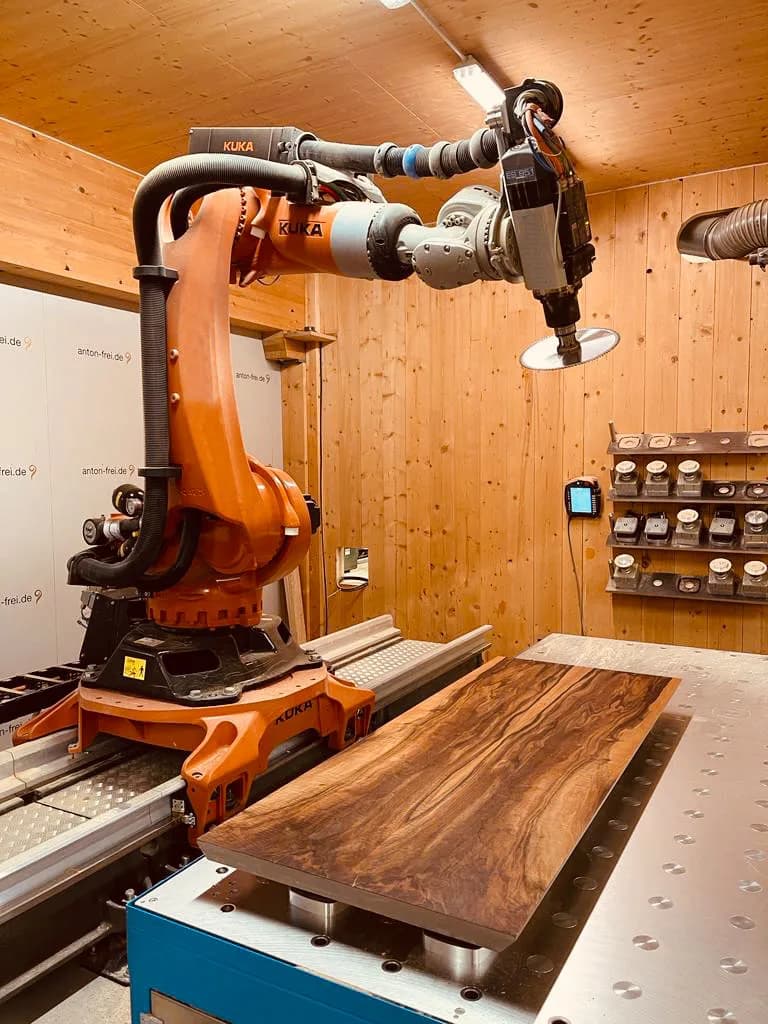
Modular Robotic Cells
Multi-robot cells for cutting, drilling, welding, routing, assembly, and inspection.
Proven templates for Metal, Composites, Plastics, and Wood.
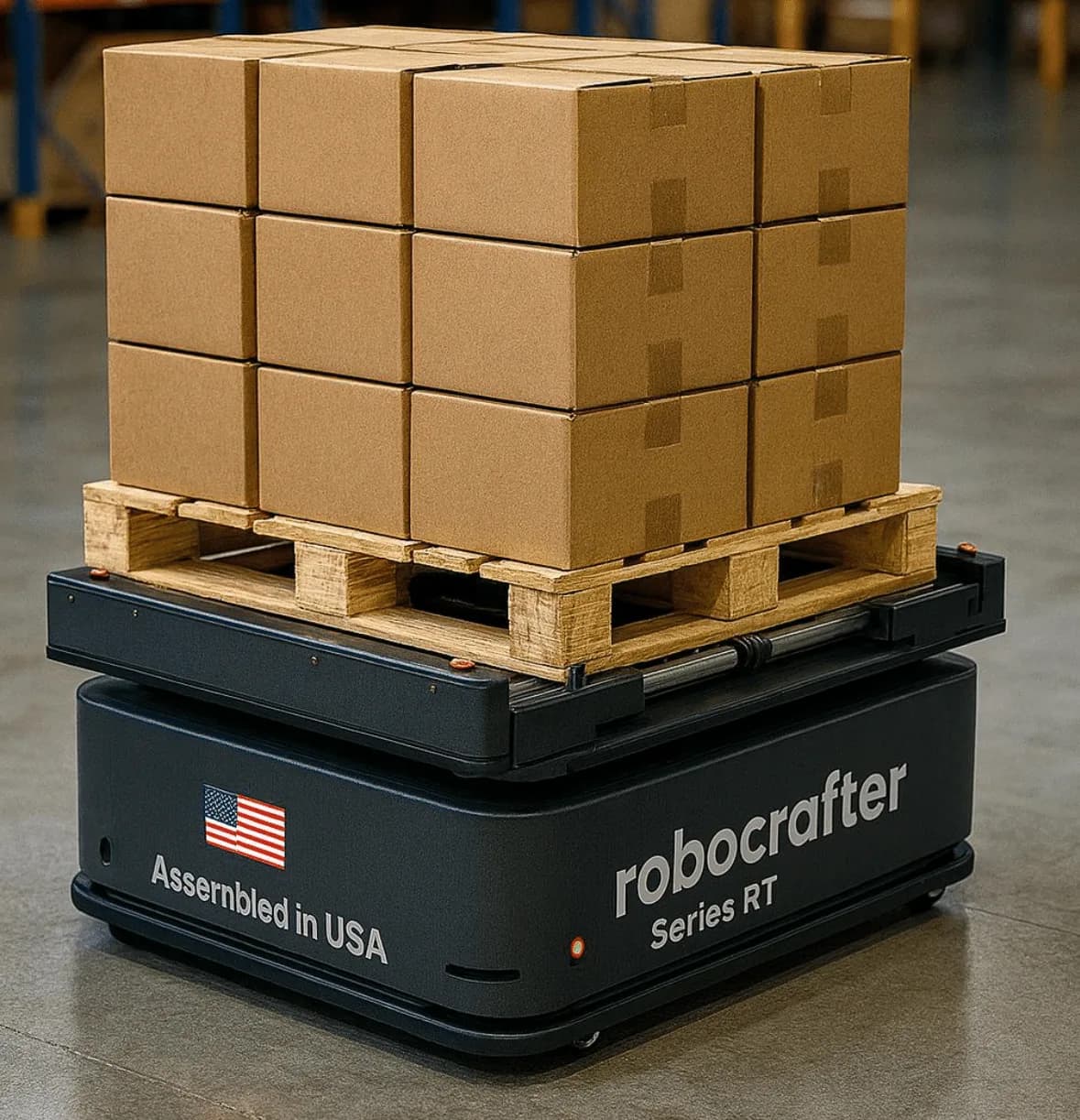
Autonomous Transport (AMRs)
Intelligent fleets moving pallets, racks, totes, and parts between stations.
Coordinated flow that goes beyond simple point to point transport.
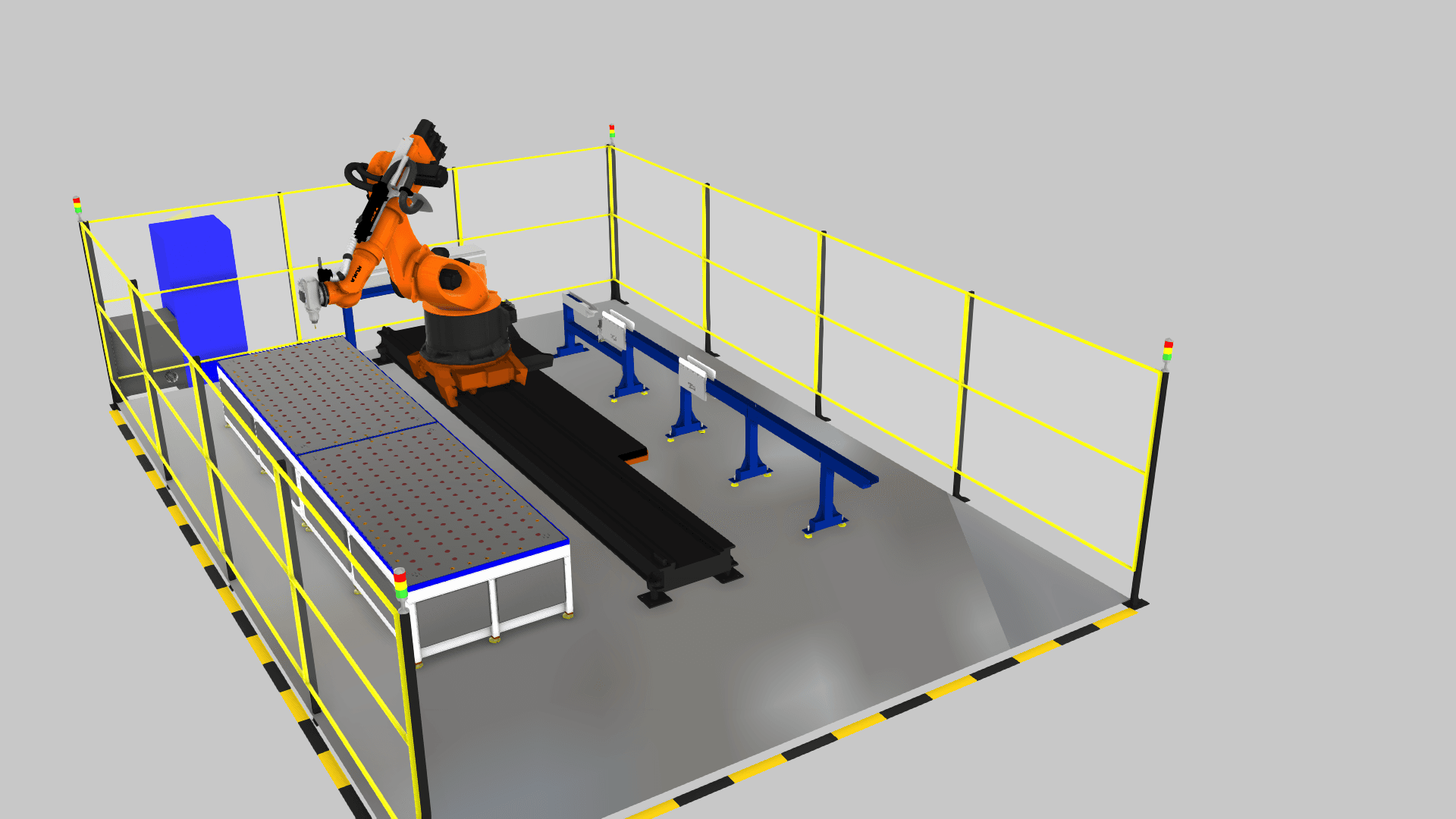
Digital Twin
A real-time 3D representation of your factory and production flow.
Test demand, layouts, and shifts before hardware investment.
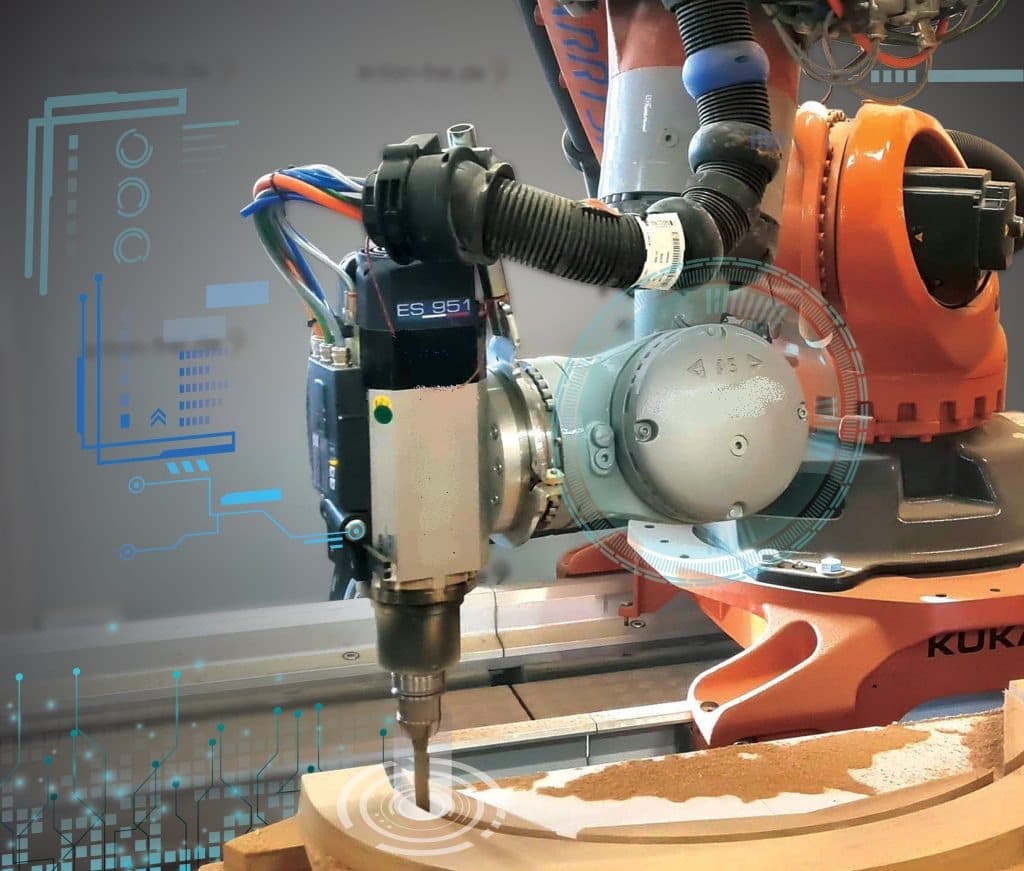
One-Stop Automation Partner
Hardware, software, transport, and intelligence designed together.
Built to scale in real production environments.
General-Purpose Autonomy. Specific Industrial Solutions.
Secure supply chains and local production of critical components.
Precision machining, inspection cells, and secure data logging for traceability and compliance.
Don’t Guess.
Visualize Your Autonomous Factory.
Through our 3D Sales System, we don’t just list specifications. We let you step into your future operation — before you commit to hardware, layout changes, or capital expenditure.
- • Visualize autonomous robotic cells inside your actual floor plan.
- • Adjust labor costs, shift patterns, and staffing pressure to see real ROI.
- • Compare local autonomous production against offshore alternatives.
- • Understand throughput, bottlenecks, and payback — before a single robot is installed.
This is not a demo. It’s a decision tool built for executives, operations leaders, and engineers planning real factories.

Example view: Autonomous cells, AMRs, and material flow simulated inside a customer layout.